DALIL: National Administrative Procedures Platform (PNPA)
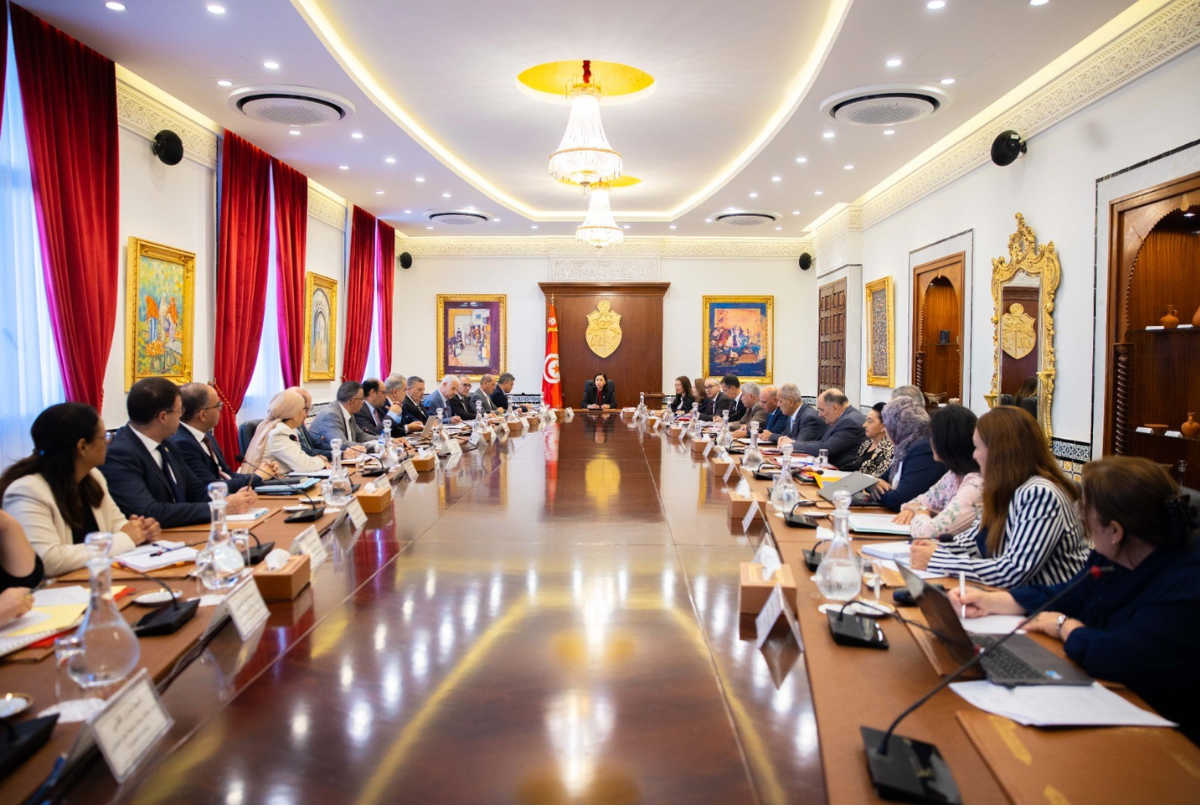
Context & Challenges
Launched in June 2020 with financial support from the World Bank, the GovTech Tunisia program aims to improve the accessibility, quality, and accountability of public services, particularly in education, social protection, and administrative reform.
Within this framework, the PNPA project aims to establish and operate the National Register of Administrative Procedures, a reference platform providing citizens and businesses with centralized access to information on administrative procedures.
The project addresses several key challenges:
- Fragmented information: Administrative procedures were dispersed across different sources, heterogeneous, sometimes undocumented, and occasionally outdated.
- Complex administrative procedures: Citizens and businesses faced difficulties identifying and understanding the procedures applicable to them.
- Large-scale harmonization: Aligning +25 ministries and public institutions around a common, regularly updated reference framework.
Solution & Contribution
think tank developed and implemented the National Administrative Procedures Platform (PNPA), a unified portal and centralized reference framework covering administrative procedures from +25 ministries and the Presidency of the Government.
Sector :
E-Government
Beneficiary :
Presidency of the Government – General Directorate for Administrative Reforms and Foresight
Funded by :
BIRD – World Bank
Contracting authority:
Ministry of Communication Technologies
Key features
- Search & consultation of administrative procedures/ forms
- Procedure classification by ministry, sector, and domain
- Procedure modification & updates by ministries
- Procedure validation & publication workflows
- Management of Citizens/ businesses’ proposals and complaints
- KPIs and performance monitoring at national, sectoral, departmental, and procedure levels
Results & Impact
- Unified national reference framework: +3,000 administrative procedures identified, standardized, and structured.
- Simpler and more accessible procedures: +70% of procedures simplified and/or digitized, reducing processing times, travel, and administrative burden.
- Better-equipped public administration: Harmonized practices across administrations and a foundation supporting future digitalization and automation initiatives.

Today, we are celebrating not only the preparation for the launch of a new platform, but also a complementary reform vision that makes public administration an effective tool serving citizens and businesses.
Olfa Souli Ouertani
General Director for Administrative Reforms and Foresight (DGRPA)
