Development of a Website for the African Continental Free Trade Area (AfCFTA)
Context & Challenges
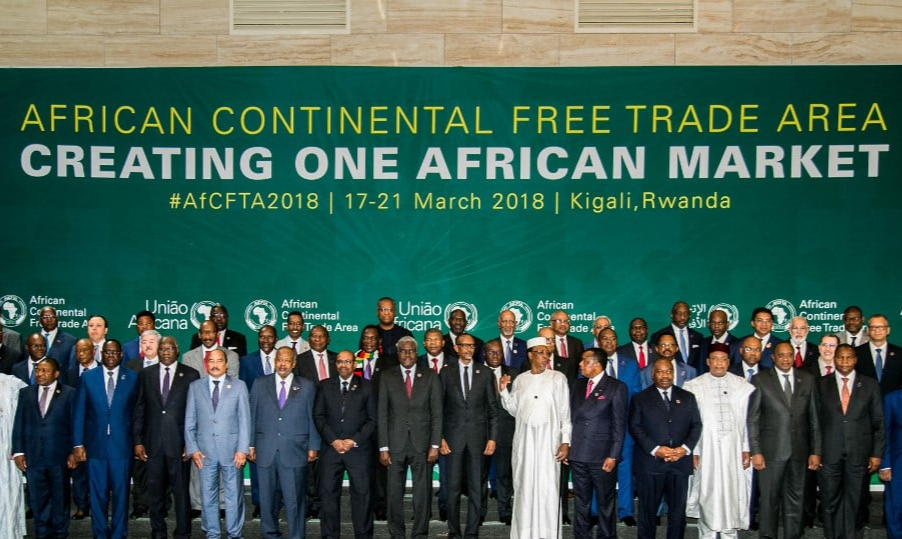
On behalf of the German Federal Ministry for Economic Cooperation and Development (BMZ) and co-financed by the European Union, GIZ implements a support program for the African Union (AU) to facilitate trade negotiations and support the implementation of the African Continental Free Trade Area (AfCFTA).
The program also operates at national level in 10 partner countries, including Tunisia, to support AfCFTA implementation and strengthen the involvement of SMEs and civil society through information sharing and awareness-raising.
A key challenge is to make the progress, opportunities, and potential impact of AfCFTA more visible and accessible, helping stakeholders better understand the process and encouraging their active participation.
Solution & contribution
think tank developed and maintains a multilingual, scalable website for the African Continental Free Trade Area (AfCFTA), designed to showcase AfCFTA activities, policies, and initiatives while increasing its visibility among African and international economic stakeholders.
Sector :
E-Government
Beneficiaries :
German Federal Ministry for Economic Cooperation and Development (BMZ) for the African Union (AU)
Funded by :
GIZ
Contracting authority:
GIZ
Key Features
- AfCFTA information portal providing centralized access to key information.
- Interactive map: Explore African countries and markets.
- Document library & resources: Studies, publications, regulatory documents, and other resources.
- News & events: Calendar of AfCFTA-related events and initiatives.
- Success stories: Showcasing businesses and real-world experiences of intra-African trade.

Results & impact
- Improved access to economic opportunities: SMEs, entrepreneurs, and economic stakeholders benefit from centralized information on markets, trade opportunities, and financing mechanisms.
- Greater visibility for intra-African trade: Easier access to information on African markets and AfCFTA mechanisms helps stakeholders identify opportunities and navigate trade barriers.
- A more connected economic ecosystem: The platform facilitates information sharing and promotes initiatives that support regional cooperation.
- Support for inclusive growth: Broader access to economic information contributes to an enabling environment for entrepreneurship, investment, and job creation.
